Neighborhood Enhancement.
Enhance Energy, Urban Form, Nature, Equity, and Water.
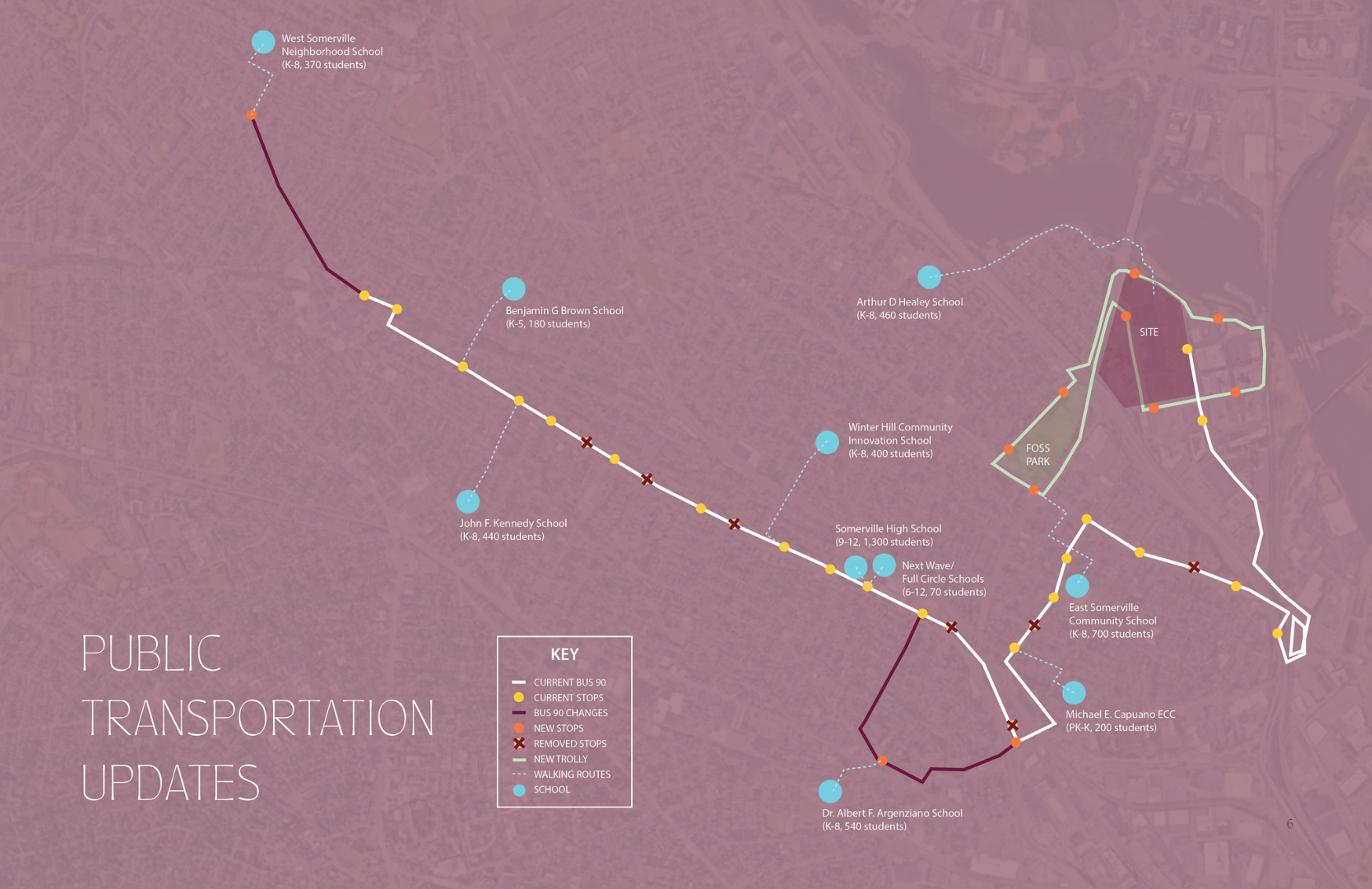
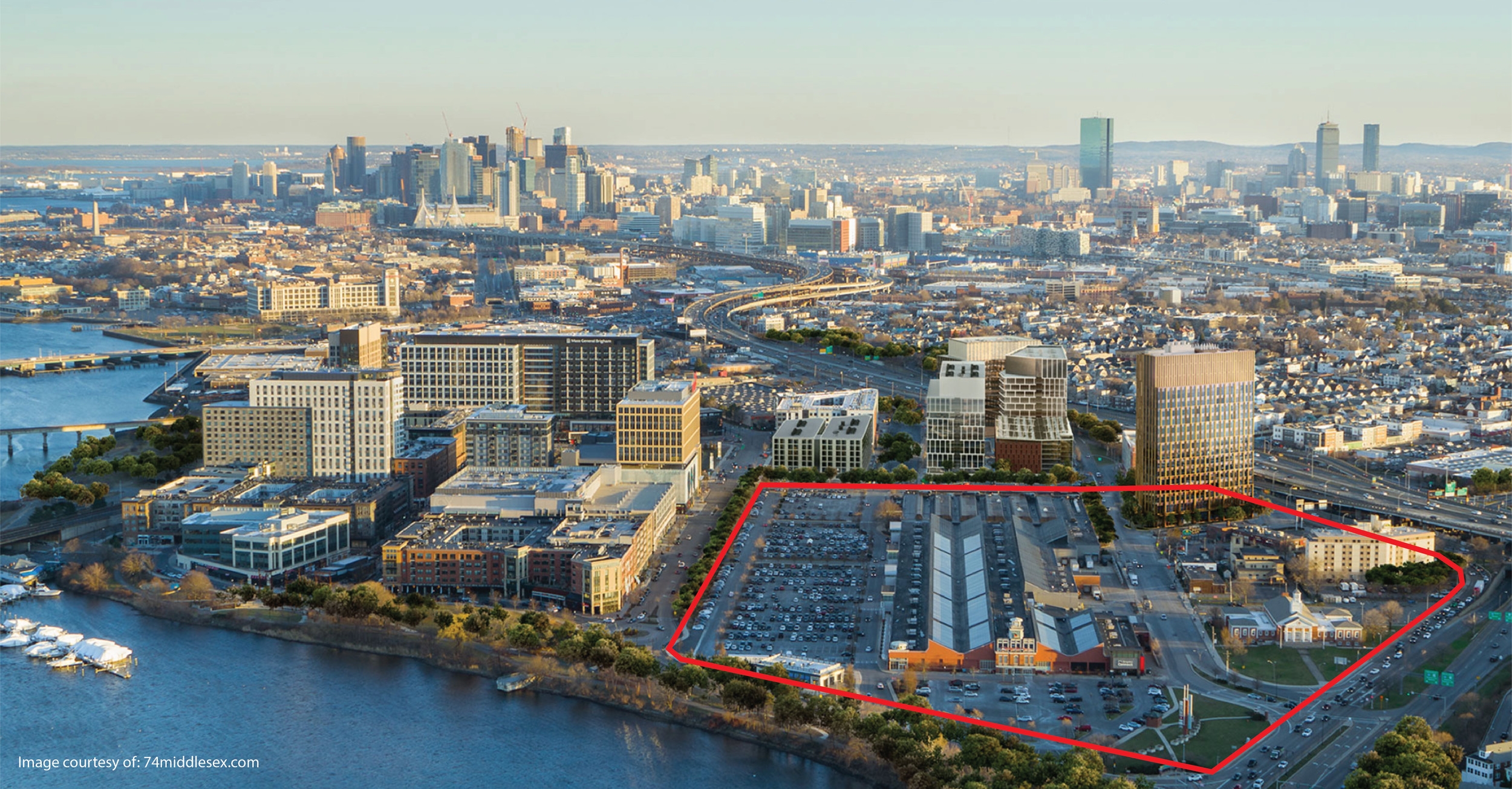
During an intensive design charrette, I worked within an interdisciplinary design team to develop a comprehensive sustainability master plan. Our proposal transformed an underutilized commercial district into a resilient, mixed-use neighborhood centered on ecological restoration, community connectivity, affordable housing, and climate resilience.
I also created the presentation graphics and visual communications for our team.
Neighborhood: Assembly Square (Somerville, Massachusetts)
Coursework via Boston Architectural College: SUS3000: Sustainability in Nature and the City
Existing Conditions.
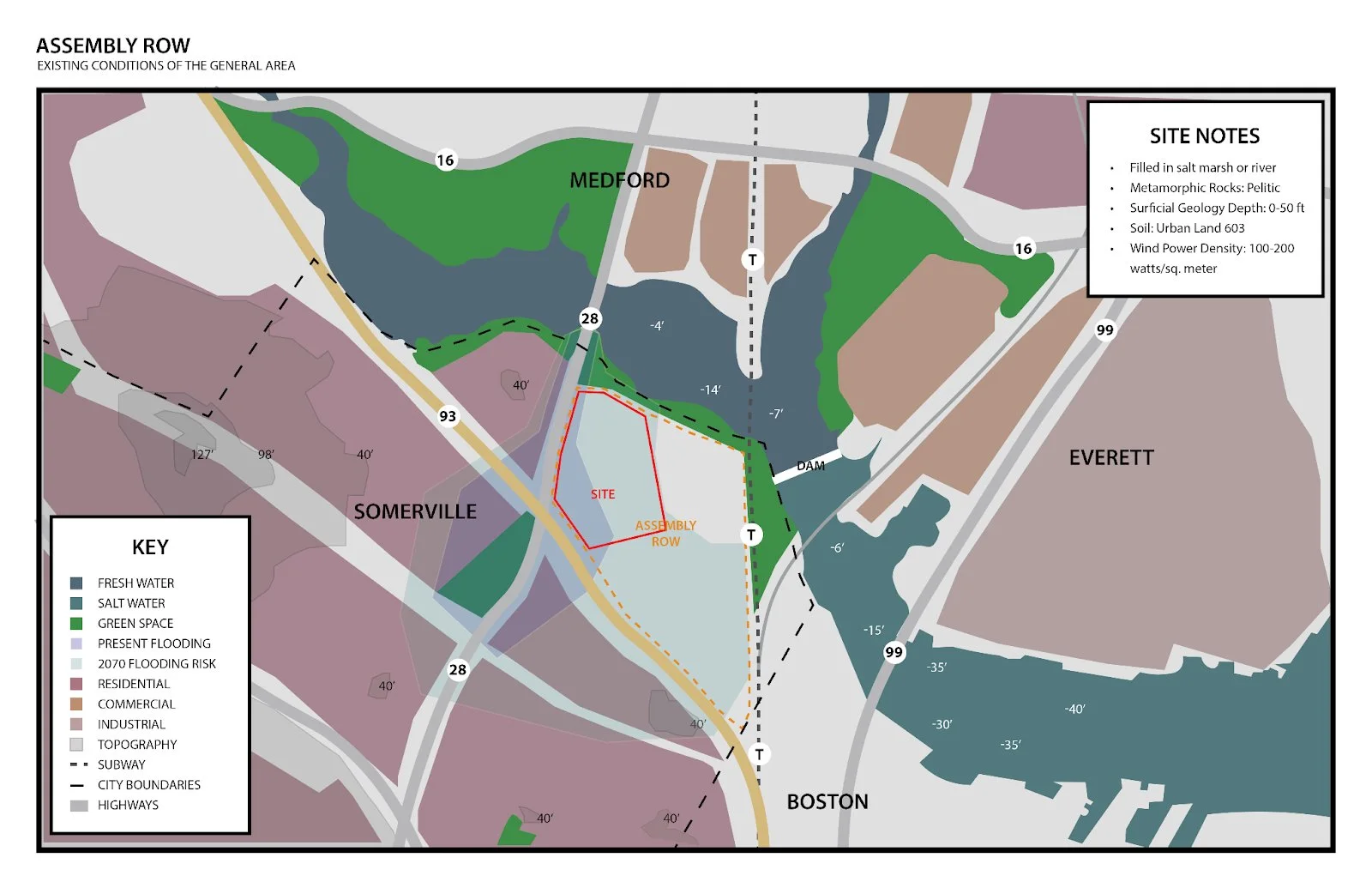
Neighborhood Existing Ecological Conditions Map
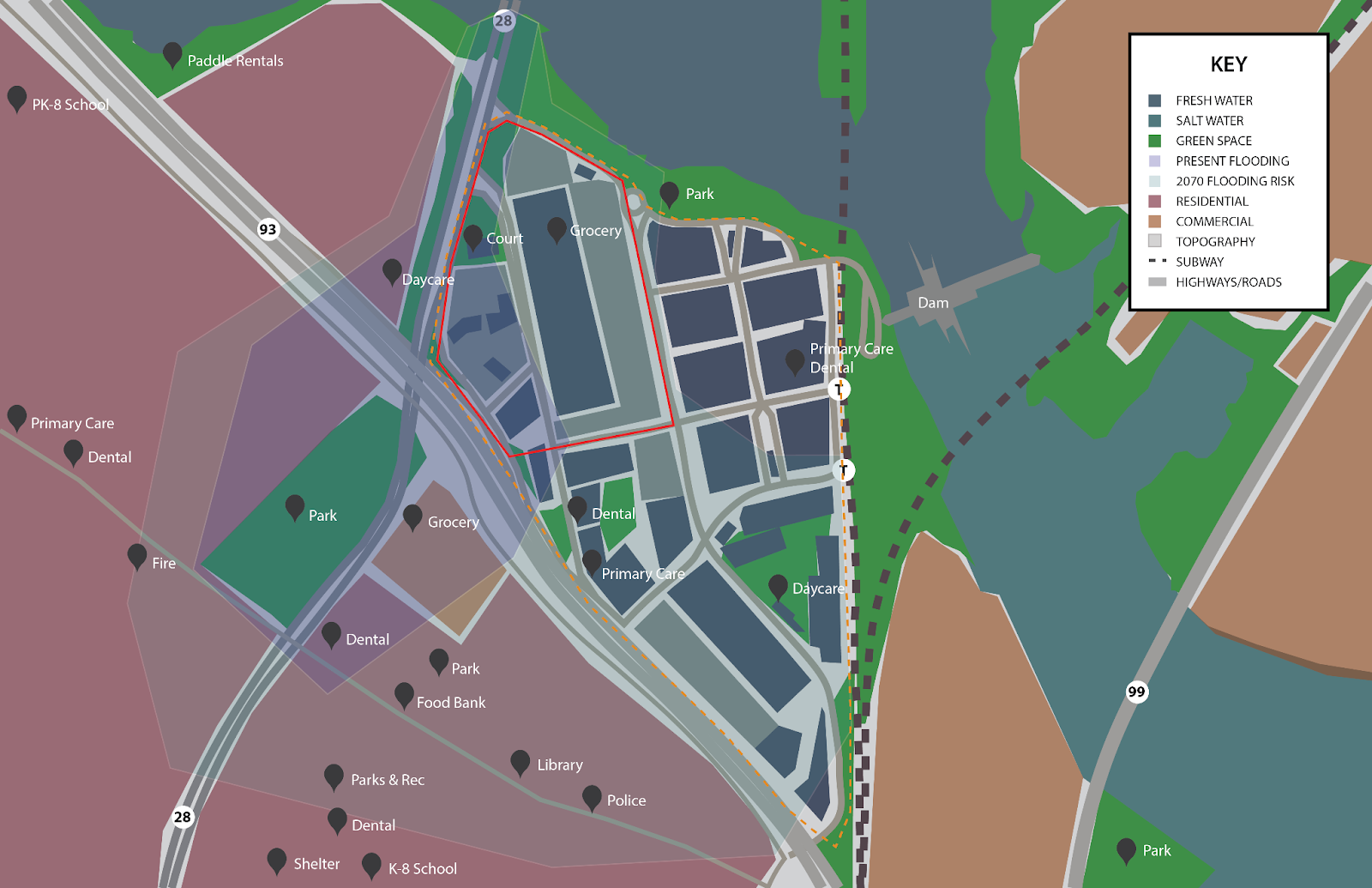
Assembly Square Existing Social Conditions Map
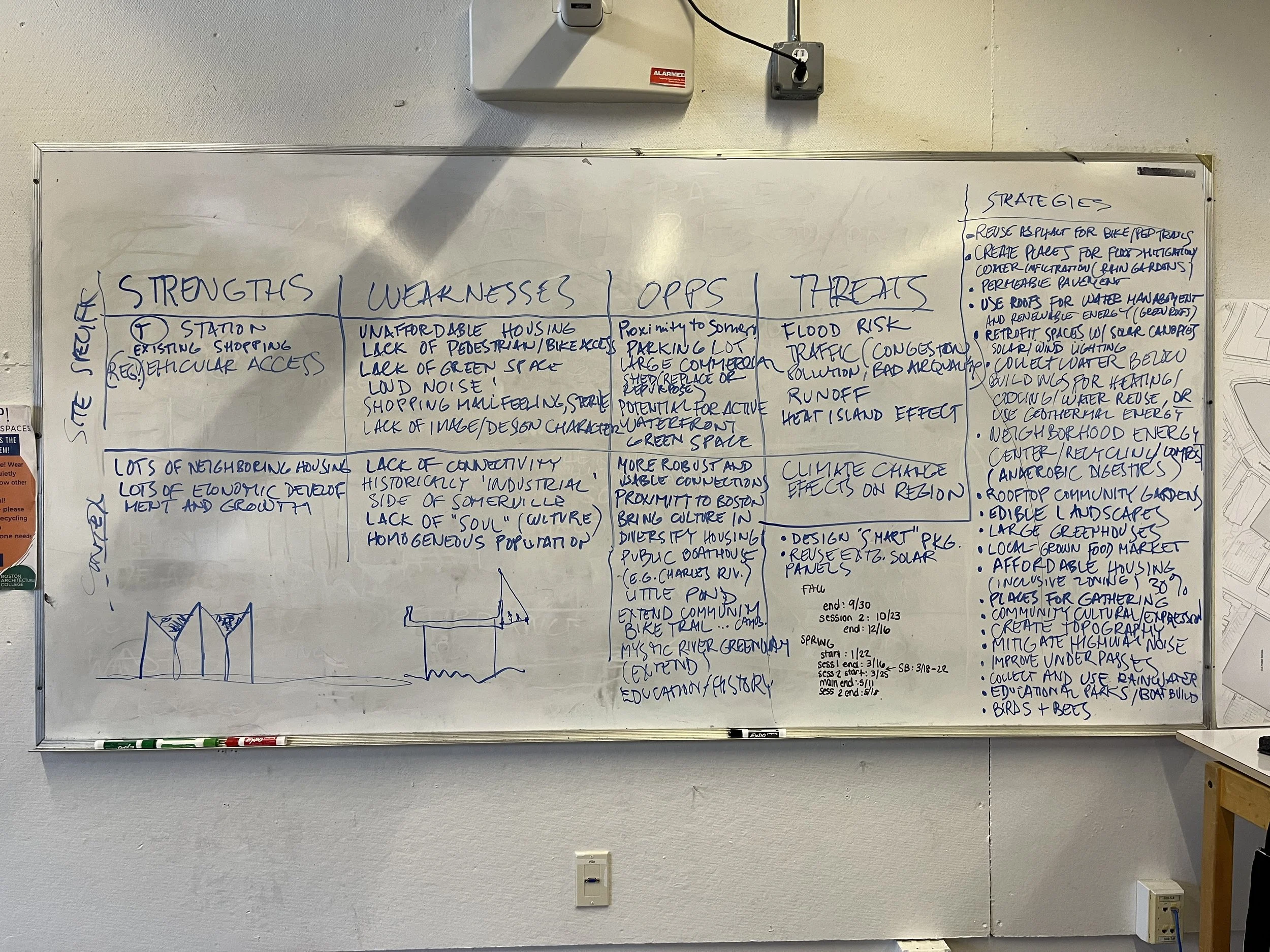
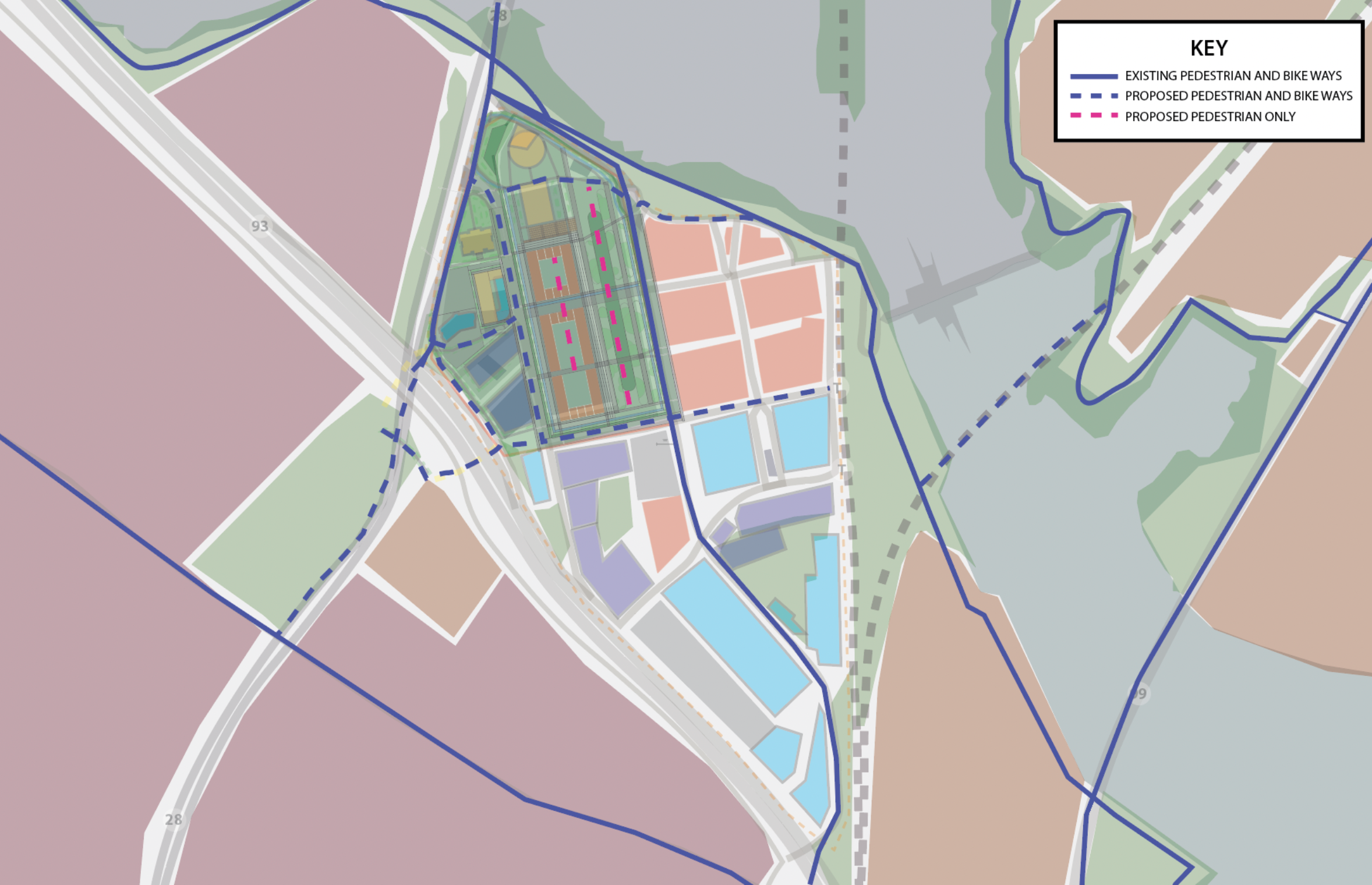
Team Design Proposal
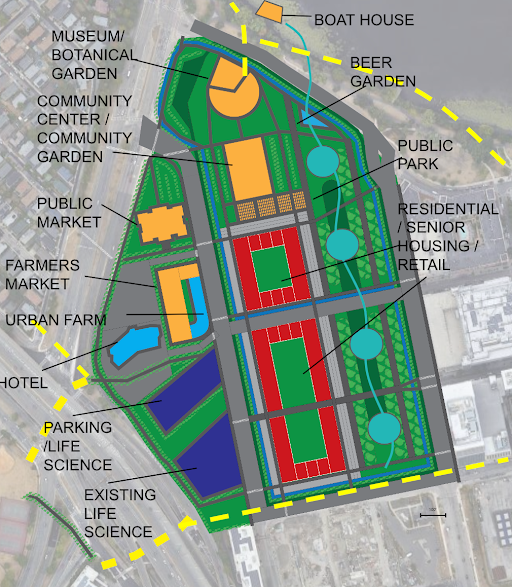
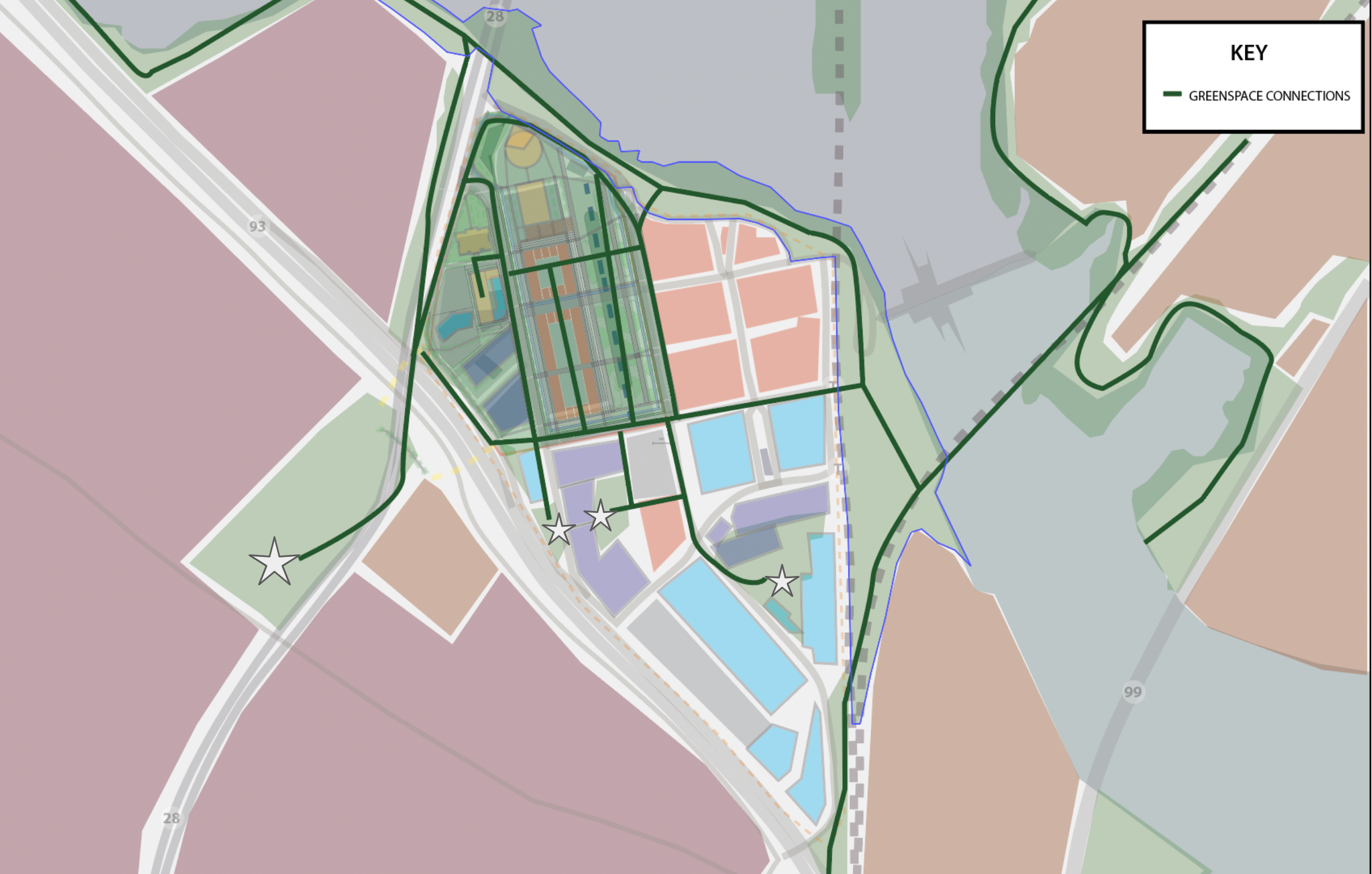
Nature for All; Stay a While
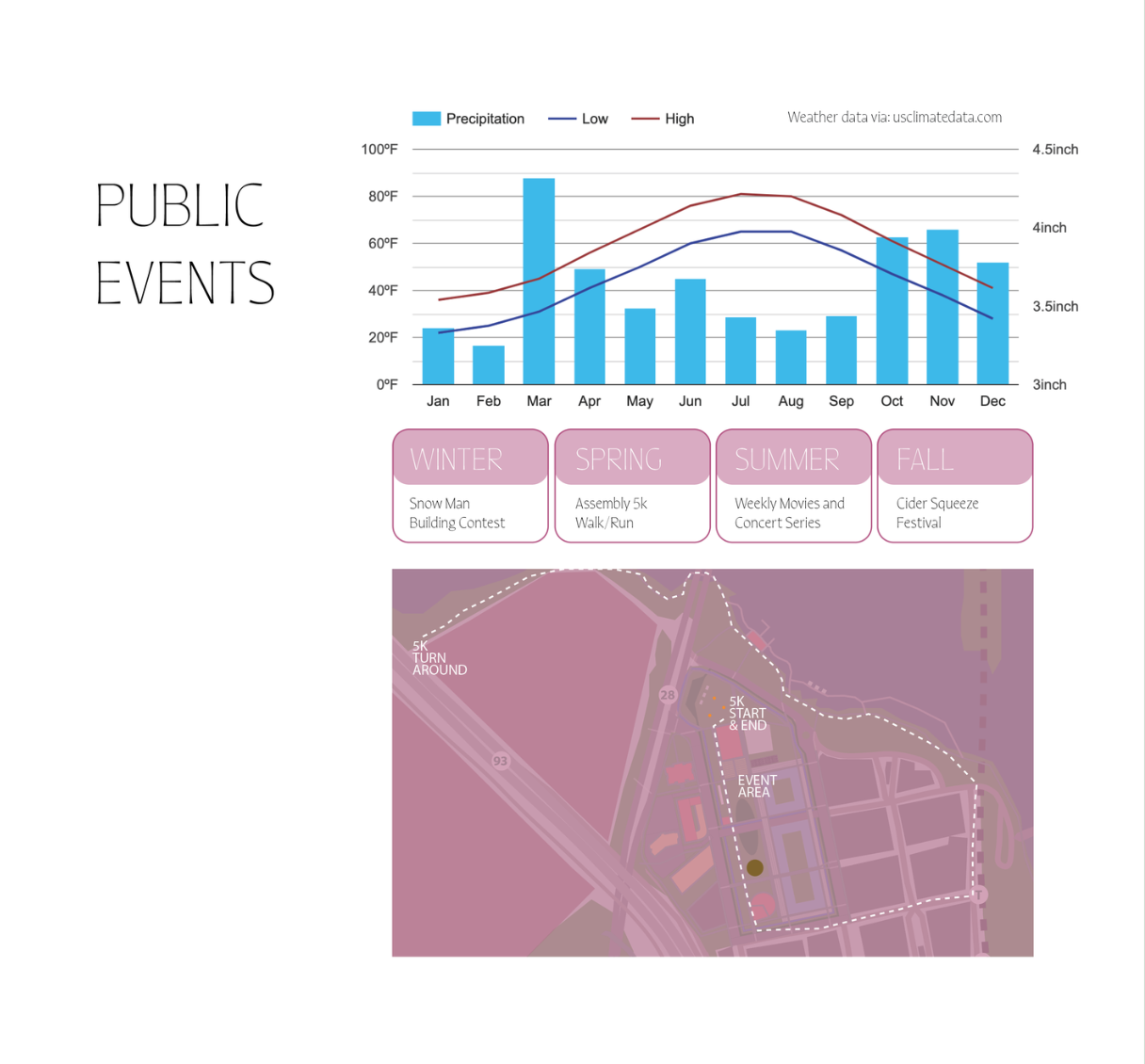
After our design charrette intensive week, I continued to explore how urban design can strengthen connections between people and nature. By combining a physical structure and landscape design with a range of free or low-cost activities for all seasons, I balanced physical comfort with genuine engagement with the elements.
Equity & Accessibility: Design spaces with universal accessibility in mind, offer free or subsidized programs, and actively engage underrepresented communities in the planning process.
Environmental Impact vs. Nature Engagement: Conduct thorough environmental impact assessments for proposed projects, prioritize sustainable and eco-friendly designs, and consider habitat restoration or conservation efforts alongside nature engagement initiatives.
Budget Constraints: Seek public-private partnerships, grants, and fundraising opportunities to supplement project budgets. Prioritize cost-effective solutions and phased implementations to make the most of available resources.
Maintenance and Long-Term Sustainability: Develop maintenance and stewardship programs to promote a sense of ownership and responsibility for these spaces.